A Cambridge college hall is a beautiful room and an unkind one. Candles, a few dim wall lights, high dark panelling that swallows what light there is, and portraits in gilt frames that throw back anything you point at them. If you have ever seen photographs from a college dinner that looked orange, grainy and slightly desperate, this is why.
It is also most of what I photograph between November and February.
Why the room is difficult
Three problems at once. There is very little light. What there is comes from several sources that are all different colours, so skin tones go warm in one corner and green in another. And the contrast between a candlelit table and a dark oak wall is wider than a camera can hold in one frame.
Flash solves the exposure and creates a worse problem: it flattens the room, kills the candlelight that is the entire reason you booked the venue, and announces the photographer to every table.
What I actually do
Work with the available light as far as it will stretch, then add a small amount, bounced, from a direction that matches where the light in the room already comes from. The aim is a photograph that looks like the room felt, rather than one that looks like a photograph was taken.
That means fast lenses, working close, and accepting some grain. Grain in a dark room is honest. A room lit to look like a conference centre is not.
Four things an organiser can do that help
Tell me the running order. Where the speeches happen, when the awards are handed over, which side the recipient walks in from. Ten minutes of information means I am standing in the right place instead of behind somebody’s head.
Decide the group shots in advance. Every event wants a few, and they are much easier before dinner than after it. Give me a list of who is in them and one person with a loud voice to gather people, and it takes fifteen minutes rather than forty.
Consider a light on the podium. If there are speeches and the podium sits in near-darkness, a single light aimed at the speaker transforms every photograph from the front half of the evening. Most venues can arrange one.
Say if you need pictures tonight. If communications want something to post while people are still in the room, I will edit a small selection during the event. That changes how I work the evening, so it needs deciding beforehand.
The pictures that get used
Not the posed line-ups, usually. The ones that get used are the handshake at the moment the trophy changes hands, the table laughing at something the speaker just said, and the two people talking intently in a corner while everything else goes on around them.
Those cannot be arranged. You get them by being in the room early, staying out of the way, and watching what is about to happen rather than what already has.
Venues, and knowing them
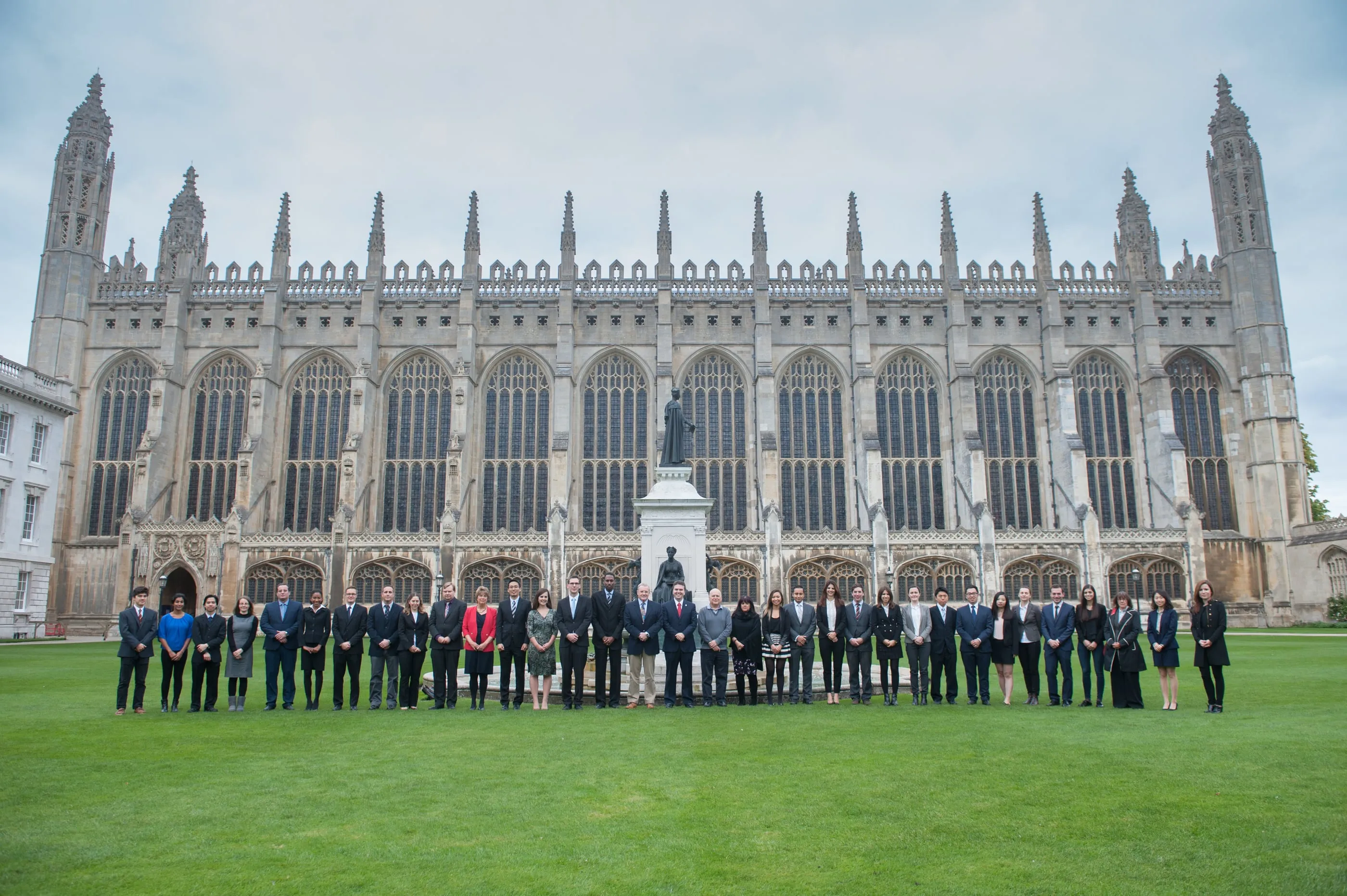
The advantage of having worked these rooms for years is knowing them before arriving: which halls have a gallery you can shoot from, where the light falls at seven in the evening in December, which staircase makes a good group shot when it rains, and which one looks better than it photographs.
If you are planning a dinner, a conference or an anniversary, the events page has the rates and the detail. Or send me the date and I will tell you what the room needs.